
Some links in this article are affiliate links: if you buy through them, Dobibe may earn a small commission at no extra cost to you. How that works.
For busy families braving the winter chill, mastering the art of layering is key to staying warm and comfortable. This guide offers practical, easy-to-follow tips for dressing in layers, ensuring you’re prepared for whatever winter throws your way.


🧥 The Essentials Of Layering For Winter
When temperatures drop, it’s not just about piling on clothes. It’s about smart layering that traps body heat effectively. Here’s how to do it right:
👕 Base Layer: The Foundation Of Warmth
Your base layer should be made of wool, silk, or polypropylene. These materials hold heat without absorbing moisture, unlike cotton which can leave you feeling colder.

🧣 Top Layer: Comfort And Style
For your next layer, consider options like a pullover sweater, a flannel shirt, or a thin sweatshirt. Aim for something loose-fitting but not bulky.
In milder cold, 2-3 layers suffice. Opt for wool, flannel, or fleece. In extreme cold, add more layers, including bulky options like cable-knit sweaters or a cardigan for easy removal.

🧥 Insulated Layer: Extra Warmth
For extreme cold, an insulated inner layer is crucial. Choose natural fabrics like fleece, wool, or goose down for a thin yet effective vest or jacket.
👖 Bottom Layer: Leg Warmth
Your legs need two layers plus a base layer. For the middle layer, thin, breathable pants like leggings are ideal. For the top layer, go for thick fabrics such as denim or fleece-lined sweats.

If you’re expecting wet conditions, add water-resistant pull-up pants over these layers.
🧦 Socks: Double The Warmth
Wear two layers of socks. Start with a thin dress sock and top it with an insulated sock with padding on the bottom.

🧥 Outer Layer: The Final Shield
Your coat should be wind and water-resistant, with insulation like down or fleece. Ensure it fits snugly at the wrists and consider a double-layer closure for extra wind protection.
🧢 Cap/Hat: Head Warmth
Choose a cap or hat that covers your ears, or opt for a hat with ear flaps. For long hair, a ponytail hat is convenient.

❄️ Mittens/Gloves: Hand Protection
Mittens are generally warmer than gloves. For extremely cold days, consider leather gloves or a thin glove with a mitten over it. For wet conditions, a water-resistant mitten is best.
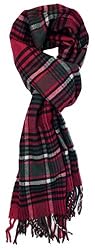
🧣 Scarf/ Face Mask: Facial Protection
On freezing days, wrap a scarf around your face or use a face mask to protect against icy air.

🎁 More Ideas
If you’re looking for more ways to keep your family warm this winter, check out our Helpful Guide To Toddler Tantrums and our article on Essential Tips For Keeping Your Sleeping Baby Safe. Both offer practical advice that complements your winter layering strategy.
And remember, links in this article may be affiliate links.

👢 Boots: Foot Protection
Choose flat, treaded boots that are taller than ankle height and water-resistant. Styles range from work boots to more fashionable options.
- ✅ Wet clothing chills the body quickly–try to stay dry or wear a water-resistant outer clothing layer.
- ✅ Goosedown loses its insulation ability when wet.
- ✅ If you feel warm, remove a clothing layer. Do not allow yourself to get sweaty.
- ✅ Don’t ignore shivering. Seek a warm place.
🛒 More Picks From This Guide
- Www.amazon.com
- silk blouse
- Www.amazon.com
- Www.amazon.com
- Www.amazon.com
- Www.amazon.com
- heavy duck
- Www.amazon.com
- Www.amazon.com
 Www.amazon.com
 Www.amazon.com
 Www.amazon.com
 Www.amazon.com
- hiking boot
- snow boot
- Driving in the Snow: Tips to Keep You Safe
- Transitioning Summer Clothes to Fall
❓ Questions People Ask
Can I Use Cotton For My Base Layer?
Cotton is not ideal for a base layer as it absorbs moisture and can make you feel colder.
What’s The Best Type Of Coat For Extreme Cold?
A wind and water-resistant coat with insulation like down or fleece is best for extreme cold.
Are Mittens Really Warmer Than Gloves?
Yes, mittens are generally warmer than gloves because they allow your fingers to share heat.
Some links in this article may be affiliate links. Shopping through these links helps support our site at no extra cost to you.
📚 Keep Reading
💛 You Might Also Like

Winter Home Prep Checklist For Families
Get ready for the cold season with our Winter Home Prep Checklist For Families. Find practical tips, essential…

How To Plan The Perfect Super Bowl Party
Get ready for the big game with our Super Bowl party planning guide. Find tips on decorations, DIY…

Winter Home Maintenance: Keep Your House Warm And Safe
Learn essential winter home maintenance tips to keep your house warm and safe. Discover practical advice for insulating,…

